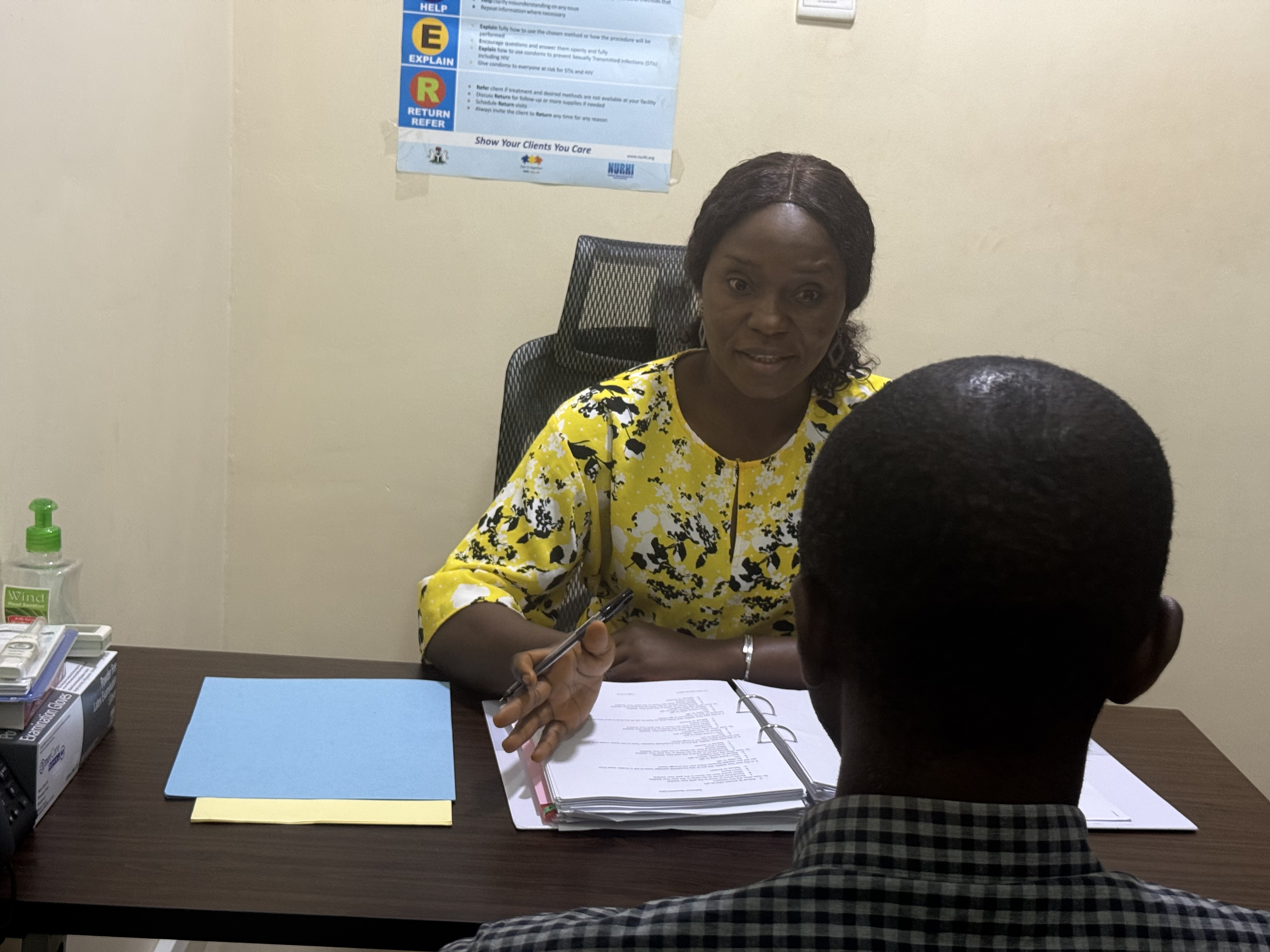
MHRP expanded its Multinational Observational Cohort Study of HIV and Other Infections (MOCHI) to Nigeria in June through a partnership with the Nigerian Ministry of Defence Health Implementation Programme (MOD HIP).
MOCHI, initially launched in 2022, previously opened in Kenya, Uganda and the Philippines. MOCHI uses a harmonized research protocol across participating sites, allowing researchers to collect important data on regional incidence of HIV and other sexually transmitted infections (STIs), evaluate trends in risk behaviors and healthcare engagement, and build capacity to conduct future clinical research.
In Nigeria, MOCHI is being conducted at the Clinical Research Center in Abuja. Researchers will enroll 400 participants, who will receive clinic-based HIV and STI testing and respond to behavioral questionnaires every 12 weeks over the course of the study. Participants are also provided HIV counselling and HIV home testing kits for use between scheduled visits.
Having a unified protocol across international sites allows MOCHI researchers to carry out the study more efficiently and compare findings across countries. The approach allows scientists and clinicians to develop tools and procedures to optimize study preparation and startup, and data collection can be standardized across sites. Lessons learned at one site can be applied as best practices across the MOCHI network.
Beyond generating valuable insight into HIV incidence and epidemiology in the region, MOCHI serves as an important platform to foster collaboration among military, government and community partners. MHRP has worked with MOD HIP in Nigeria for more than 20 years on infectious disease research and PEPFAR-funded global health initiatives.
“This ongoing partnership is helping to build sustainable research capacity and experience,” said Dr. Abdulwasiu Bolaji Tiamiyu, the principal investigator for MOCHI in Nigeria. “MOCHI demonstrates a shared commitment to strengthening infrastructure, systems and expertise for current and future infectious disease research.”